Business Waste Removal in Clapham
Business waste removal in Clapham needs to be straightforward, tidy and planned around the way your premises actually operate. We handle the collection and removal of commercial waste for offices, retail units, hospitality venues, managed properties and other workplaces that need unwanted materials taken away without disrupting the day. The focus is on clear handling, sensible loading and responsible disposal, so you can keep floors, yards, stockrooms and shared spaces in better order.
Our service covers general commercial rubbish along with mixed non-hazardous materials that arise from routine work, refits, clear-outs and ongoing operations. That can include old desks, packaging, display items, shelving, bagged waste, redundant fixtures and other bulky items that are awkward to move internally. If you need a business waste removal solution that is organised rather than improvised, we can support one-off clearances and repeat collections.
Because different premises produce different waste streams, the first step is usually to identify what needs moving, how it is stored and where it can be collected safely. Access, lifting, separation of reusable items and disposal route all matter, especially when waste is spread across several rooms or floors. If you are comparing options, clear itemisation and practical scheduling will help you judge what is needed before you request a quote.
Commercial waste collections for daily operations
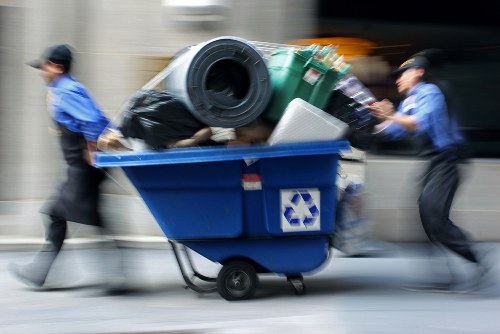
For many businesses, waste removal is not a single event but part of keeping the premises workable. Our commercial collections can support office clear-outs, stockroom tidying, store-room resets and the removal of accumulated items that no longer have a place on site. The aim is to move waste efficiently while keeping routes, lifts and loading points as orderly as possible. That approach helps when the work must fit around customers, staff or contractors already on the premises.
We can deal with a broad range of non-hazardous business waste where it is suitable for collection and disposal through the right channels. This may include office furniture, broken storage units, redundant fittings, mixed office clutter, packaging waste, old display materials and items from refurbishments or relocations. If the load contains anything unusual, it is better to separate it in advance so the collection can be planned correctly and any restricted material can be handled in the appropriate way. Good sorting saves time on site and reduces confusion.
What we can remove from your premises

Business premises often generate waste that is too awkward for regular bins yet not serious enough to need a specialist project on its own. In those situations, a removal service is most useful when it can take several related items together. A typical collection may involve office desks, chairs, cabinets, partition pieces, bagged waste, broken fixtures and other redundant items that have been gathered during routine housekeeping or a planned clear-out.
It can also include furniture and general contents from shared areas, back-of-house spaces and storage rooms. Where appropriate, separate items can be directed toward reuse, recycling or disposal depending on their condition and material type. We do not suggest that every item can be treated the same way; instead, we look at the load in a practical manner and plan the work around what is actually present. That helps keep the process simple for premises that need a dependable, no-fuss clearance.
For larger or more mixed loads, it is often useful to make a short list before collection day. The list below shows the sort of information that helps shape the job:
- Approximate type and quantity of items
- Any large or heavy pieces that need careful moving
- Floors, access routes or loading restrictions
- Whether sorting or separation is already in progress
- Any items that must remain on site
Office clearances and internal reorganising
Office waste removal is often about more than taking away a pile of unwanted chairs. It can involve making a workspace usable after a move, a reorganisation or a period of gradual build-up. We can help remove redundant desks, filing units, storage pieces, old equipment casings and other bulky contents that no longer fit the layout of the office. When the load is being cleared from several rooms, the work is usually best handled in a sequence that respects access and avoids unnecessary disturbance.
In office environments, careful handling and sensible separation are especially useful when items vary from reusable furniture to plain refuse. Broken fittings and outdated items may need different treatment from paper waste or packaging. If you are planning a clear-out before new furniture arrives, it helps to decide what is staying, what is going and what needs to be kept available until the final sweep. That makes it easier to create an organised handover of the space without leaving extra work behind.
Retail, hospitality and customer-facing spaces
Retail units, cafés, takeaway premises and other customer-facing spaces can accumulate waste quickly during refits, seasonal changes or stock rotation. Our business waste removal service can support the removal of redundant display pieces, packaging, damaged furniture, storage items and general debris from front-of-house and back-of-house areas. The emphasis is on keeping the premises manageable while the waste is taken away through the correct disposal routes.
When waste is produced in a public-facing setting, timing and tidiness matter as much as the removal itself. Materials often need to be collected from areas where staff are still working or where access is shared with customers and deliveries. If you are preparing a room for reopening, a display change or a stockroom reset, it is worth thinking about which items will be ready to go and which will need to stay in place until the final stage. That keeps the collection more precise and reduces the need for repeat handling.
About Clapham

Clapham is a district in south London, commonly associated with the London Borough of Lambeth, though parts of the wider Clapham area also touch neighbouring boroughs. Its name is linked to the early medieval settlement recorded as Clopeham, and the place developed from rural land into a built-up London district over several centuries. Today it is known for a mix of residential streets, transport connections, green spaces and high-street activity, all of which contribute to its distinct character within inner south London. The area’s centre is often understood around Clapham Common, the large open green space that gives the district one of its best-known landmarks. The Common itself is a broad expanse of open land with ponds, mature trees and long walking routes, and it remains an important recreational space as well as a visual anchor for the neighbourhood. Around it are Victorian and Georgian terraces, mansion blocks and later infill development, with many streets reflecting the growth of London housing in the nineteenth century. Clapham High Street and nearby roads provide a busy commercial spine, while local churches, schools and community venues add layers of civic and cultural life. Clapham South, Clapham North and Clapham Junction are commonly used as transport and locality references, with Underground and rail links shaping how the district is navigated. The area also has a strong relationship with nearby Battersea and Brixton, yet retains its own identity through the Common, its street pattern and its mix of residential and commercial use. As part of inner London, Clapham continues to balance long-established housing, local services and open space in a compact urban setting.
Sorting, recycling and responsible disposal
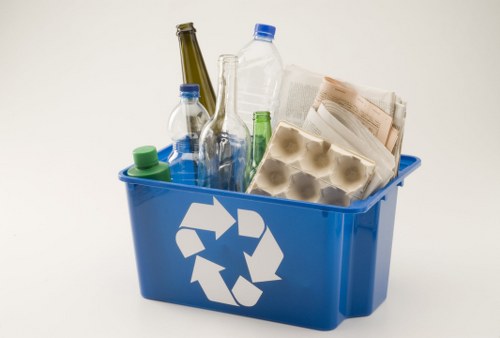
Not every collection should be treated as a single mixed load from start to finish. Where items are suitable for separation, we can work with a more measured approach that allows useful materials to be directed into the right stream. That may involve keeping furniture apart from packaging, or distinguishing between reusable contents and items that should be disposed of. The purpose is not to complicate the job, but to make the collection more sensible from the outset.
Recycling and sustainability considerations are often part of the conversation when a business wants to reduce the amount of waste sent straight to disposal. The most practical approach is to identify what is reusable, what is recyclable and what needs to be removed as general waste. We do not promise a particular diversion rate, because that depends on what is in the load, but we can explain the handling choices available for a given clearance. If you want the job to be planned with those distinctions in mind, say so early so the collection can be arranged accordingly.
In some cases the most useful decision is simply to simplify the load before removal day. Separating obvious recyclables, keeping personal items aside and grouping similar materials together can make the collection easier to manage. It also helps if the items you want removed are kept together rather than scattered across multiple rooms or levels. Those small steps support a cleaner handover and make the disposal process more predictable.
Preparing a quotation for your collection
When you ask for a quotation, the key is to describe the waste clearly enough for the job to be understood without guesswork. A short list of item types, approximate quantities and access details is usually the most useful starting point. If there are stairs, narrow corridors, restricted parking or shared entrances, those factors should be mentioned because they affect how the removal is organised. It is also helpful to explain whether the waste is already bagged, stacked or spread through several areas.
A practical enquiry normally covers the same basics: what needs removing, where it is located, whether any items are especially heavy or awkward, and whether the site has any rules we need to work around. If you can describe the clearance in those terms, it is easier to respond with a fair and realistic price basis. You do not need to provide a long explanation; just enough detail to let the work be assessed properly. Clear information leads to a clearer quote, especially for mixed or bulky loads.
Waste removal for clear-outs, changes and routine upkeep
Business waste removal is useful not only during major refits but also when premises need periodic tidying. Stock changes, equipment replacement, office reorganising and general housekeeping can all leave behind items that are no longer useful. Our service can support those moments when the accumulation has reached the point where a planned removal is more practical than moving things around internally. The work is handled as a straightforward clearance, with attention paid to what can be removed together and what should stay on site.
There are often several sensible ways to approach a clear-out. Some customers want a single visit to remove a complete load, while others prefer to break the work into sections so the business can keep running with minimal interruption. A good plan depends on the amount of waste, the available space and how quickly the premises need to be reset. One-off clearances and ongoing removal needs can both be managed if the details are set out clearly at the start.
Items that need extra care

Most business waste is routine, but some items require closer attention because of size, weight, condition or composition. Large furniture, awkward fittings, damaged storage pieces and mixed loads containing several material types may need more careful handling than ordinary bagged waste. In those situations, the practical question is not just how the item can be lifted, but how it can be taken away without causing avoidable disruption or damage. That is why the collection process should be matched to the load rather than forced into a one-size-fits-all approach.
There are also items that may fall outside a standard collection if they require specialist treatment or separate compliance handling. If anything in the load could be restricted, unusual or uncertain, it is best to identify it early so the arrangement can be checked against the right disposal route. We keep the focus on ordinary commercial waste and related clearances, and we avoid pretending that every substance or object can be handled in exactly the same way. If you are unsure, make the item description part of your enquiry before you request a quote.
Choosing the right service for your premises
The best waste removal plan is usually the one that matches the reality of the site. A compact office, a busy retail unit, a storage room with mixed contents and a larger multi-room clearance may each need a different approach even if the broad task is the same. The value of a commercial service is that it can be adjusted to the layout and the type of material involved, rather than forcing the premises to fit a rigid method. That is useful when the clearance must be completed neatly and with minimal backtracking.
We can help with the sort of work that benefits from a direct, orderly collection rather than piecemeal attempts to move waste in stages. If you are comparing options, think about whether you need a simple removal of unwanted items, a broader office or business clear-out, or a load that includes a mixture of furniture and general waste. When you are ready, request a quotation and tell us what needs removing so the collection can be planned properly.